As a global Partnership, we believe in internationalism. We have translated as much content in your language as our resources allow. Please visit the English language site to view all of our content.
Press enter for results
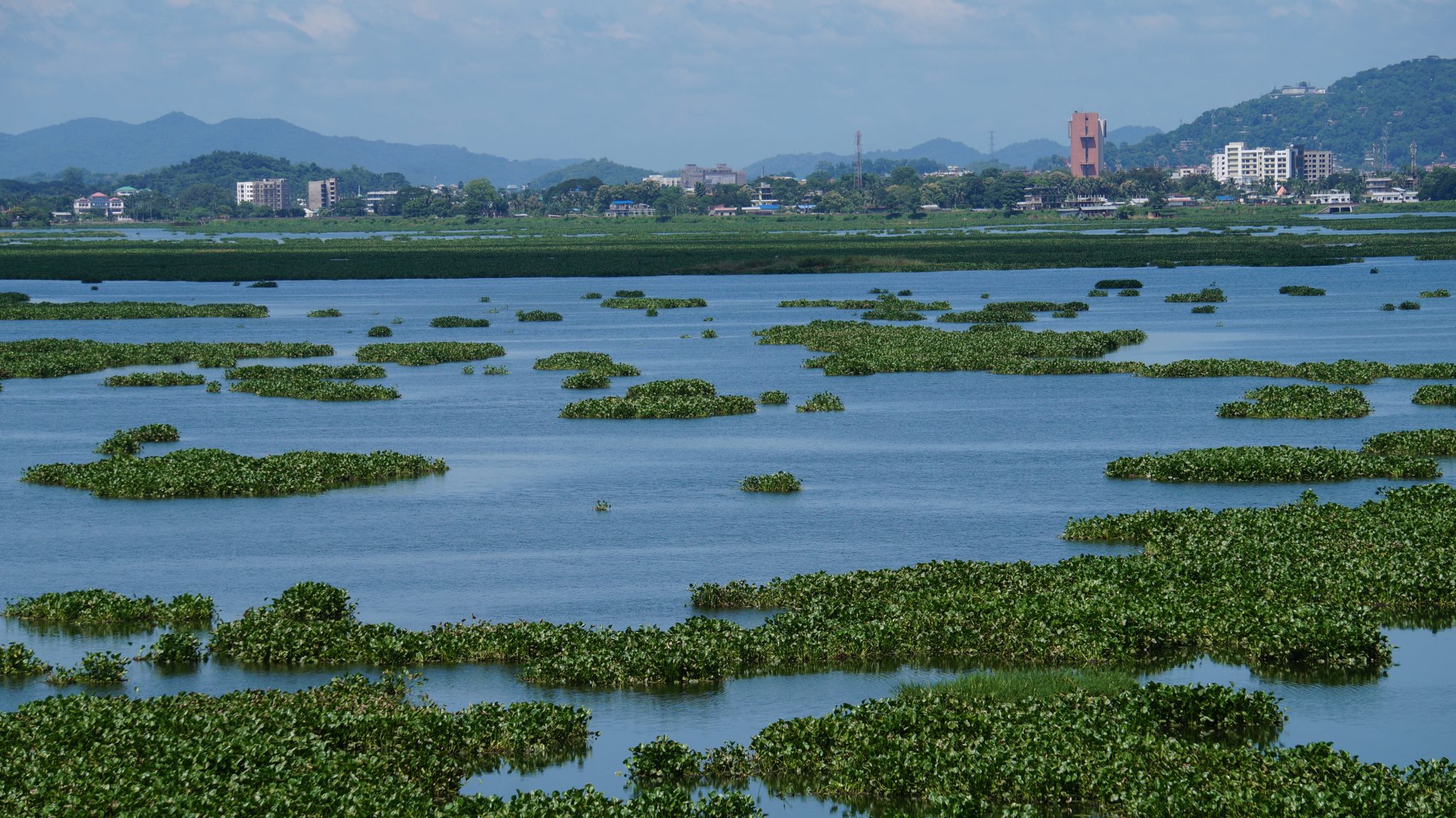
Wetlands are highly productive and biologically diverse systems that are vital in enhancing water quality, controlling erosion, maintaining stream flows, and sequestering carbon. They are equally relevant due to their importance for biodiversity preservation and their biological services for humankind.
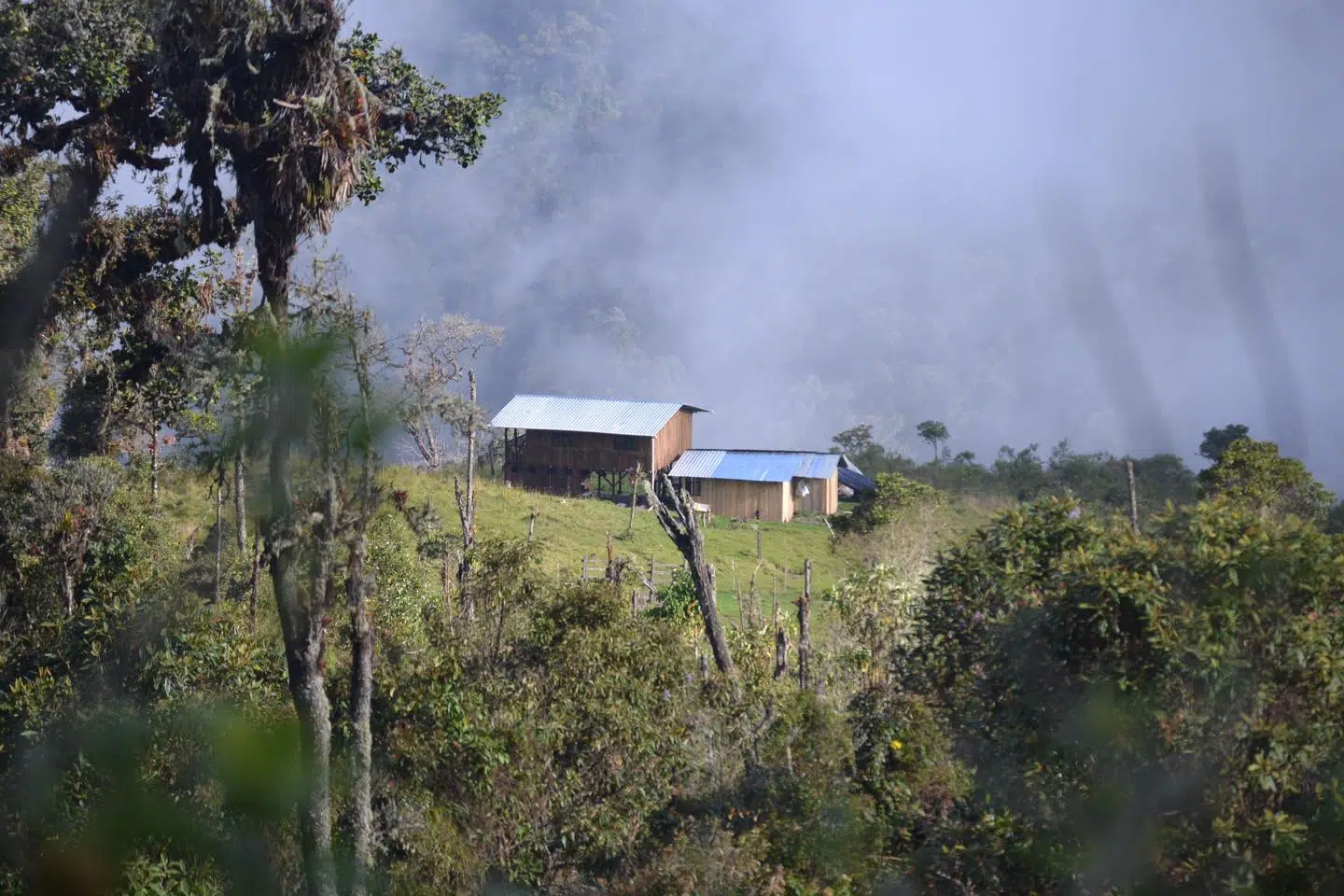
On September 23, we were part of an event that gathered key conservation actors, both national and international, all united to protect, drive forward, and advance scientific efforts in the realm of nature and the communities within the Intag Valley, in the Chocó Andean region.
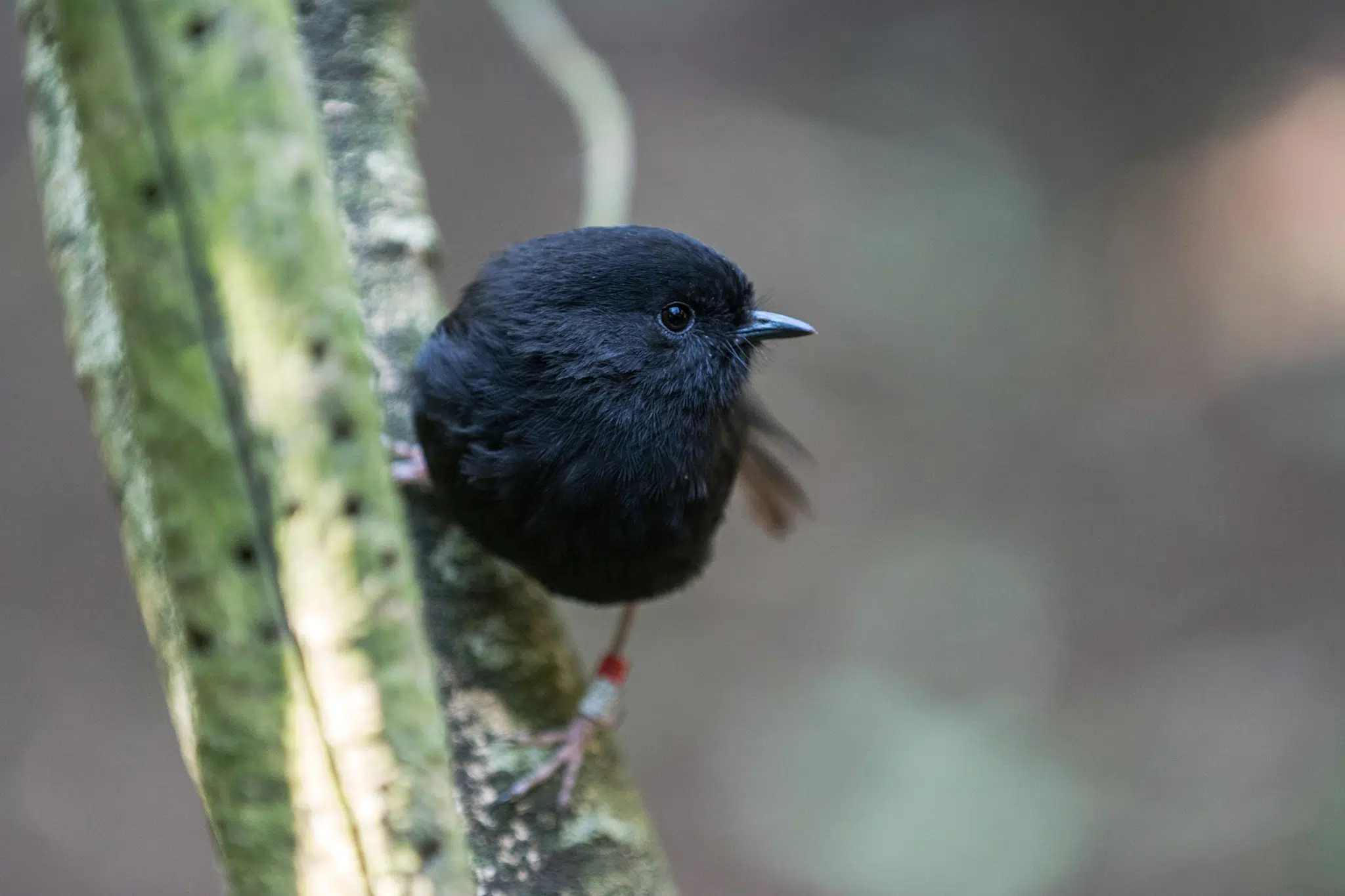
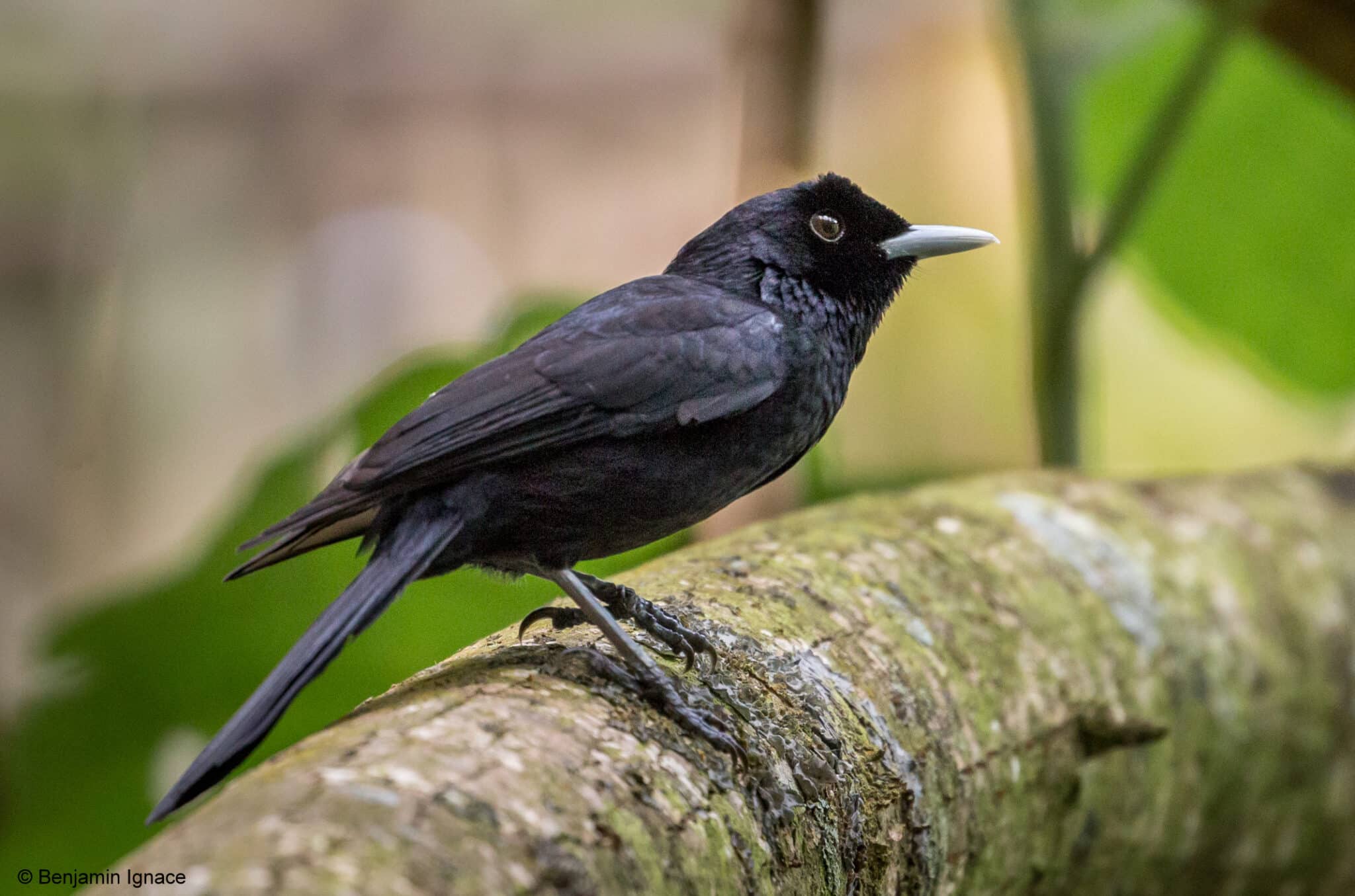
In 1980, only five Black Robins remained, restricted to one remote island in the Pacific. Despite being seemingly destined for extinction, an intensive conservation programme brought the species back from the brink, and less than 50 years later its remarkable recovery has seen it downlisted on the IUCN Red List.
Support BirdLife’s advocacy work to make leaders listen to the science, and put in place the vital policies and investments to ensure nature is at the heart of solving the climate crisis.
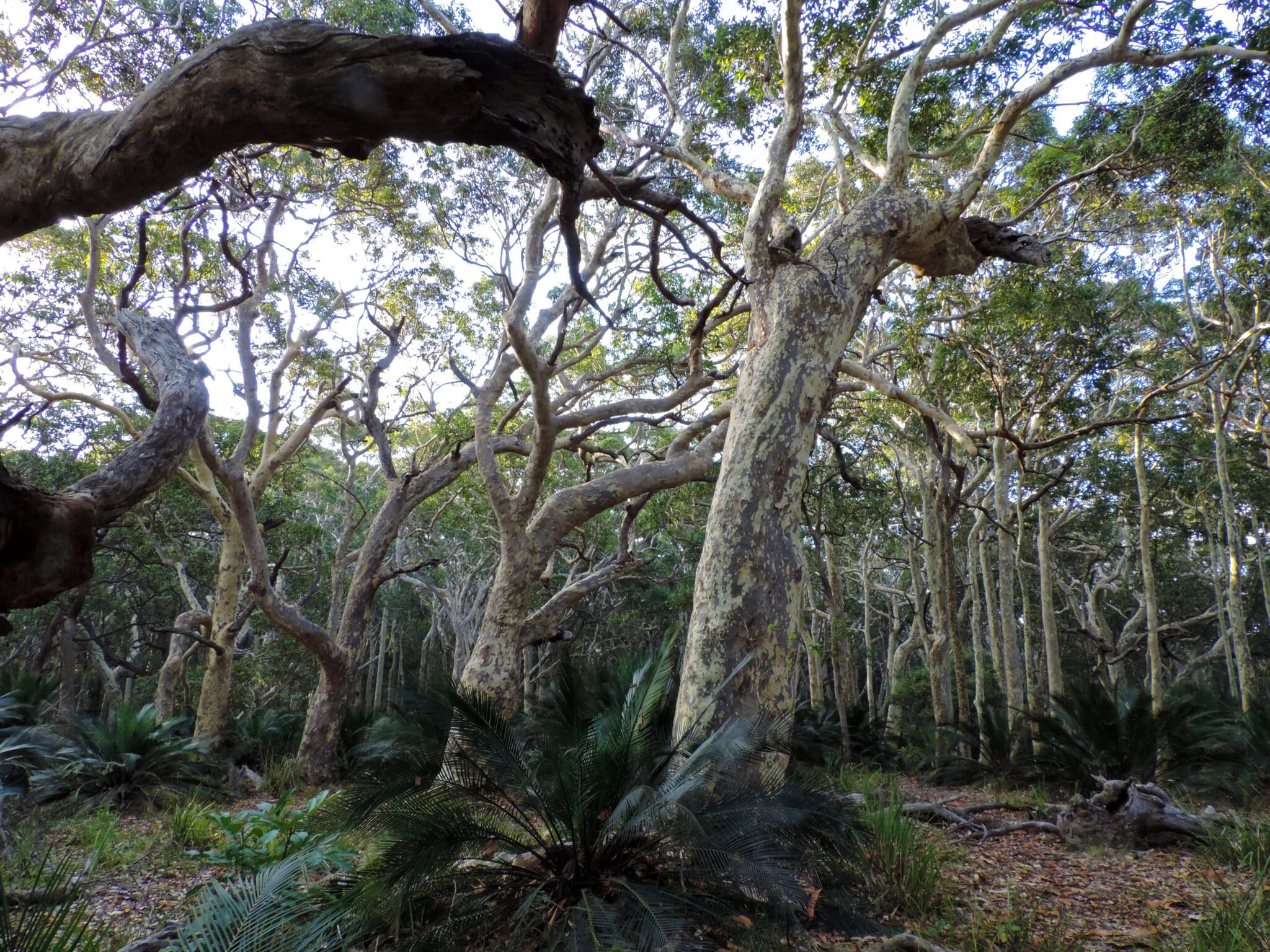
The Australian ‘Black Summer’ bushfires of 2018-19 blazed across vast areas of Australia, including over a third of the Ulladulla to Merimbula Key Biodiversity Area (KBA), severely impacting several threatened bird species. Now, ongoing logging is hampering the forest's recovery, as well as jeopardising areas untouched by the inferno.
With only four ageing females left, under attack from invasive species on all sides and now trying to fight off avian malaria, Fatu Hiva Monarch is on the brink. Yet, thanks to the incredible efforts of BirdLife in French Polynesia, there is still hope for the death-defying species.
BirdLife International launches four new projects supported by the UK government’s Darwin Initiative.
With only four females left and under attack from invasive species on all sides, Fatu Hiva Monarch is on the brink. Fortunately, thanks to the incredible efforts of SOP Manu (BirdLife in French Polynesia), there is still hope for the species, but they need your support.
Calling all birdwatchers and explorers: our new global effort 'Search for the Lost Birds' needs your help!
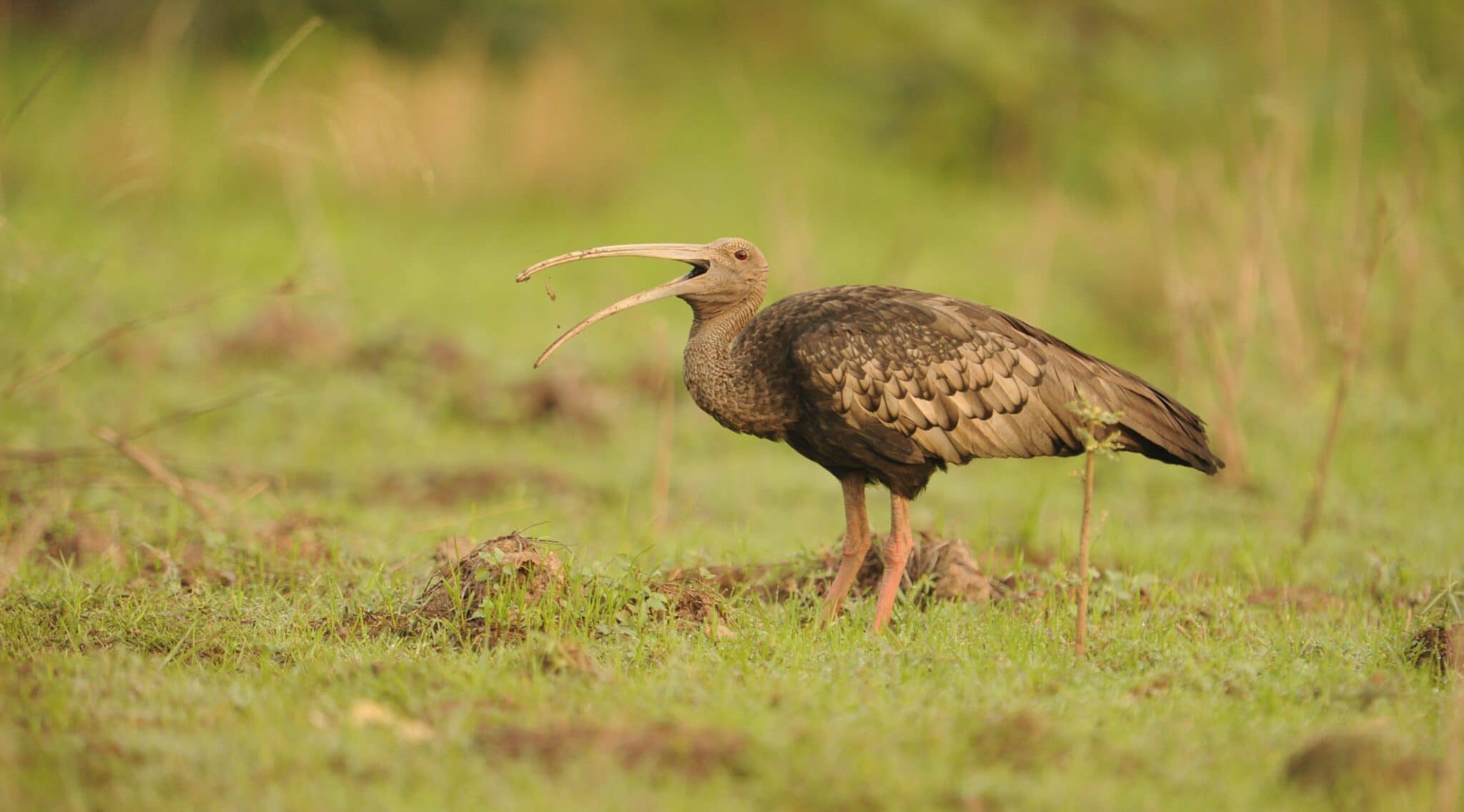
Of the 13,000 lmportant Bird & Biodiversity Areas (IBAs) identified by BirdLife worldwide, 277 are most severely under threat. Vital sites, such as Cambodia’s Lomphat Wildlife Sanctuary, are home to globally threatened birds such as Giant Ibis and other IBA ‘trigger species’. They face the most intense pressures and need our urgent help.
Tehani Withers began her career as an intern at SOP Manu (BirdLife Partner in French Polynesia) through the Conservation Leadership Programme and worked her way up to become their Island Restoration Manager. For Tehani, there is no typical day in the office as tasks can range from camping out in the field surveying birds and plants, to engaging with local communities about conservation, or working on reports and data analysis.
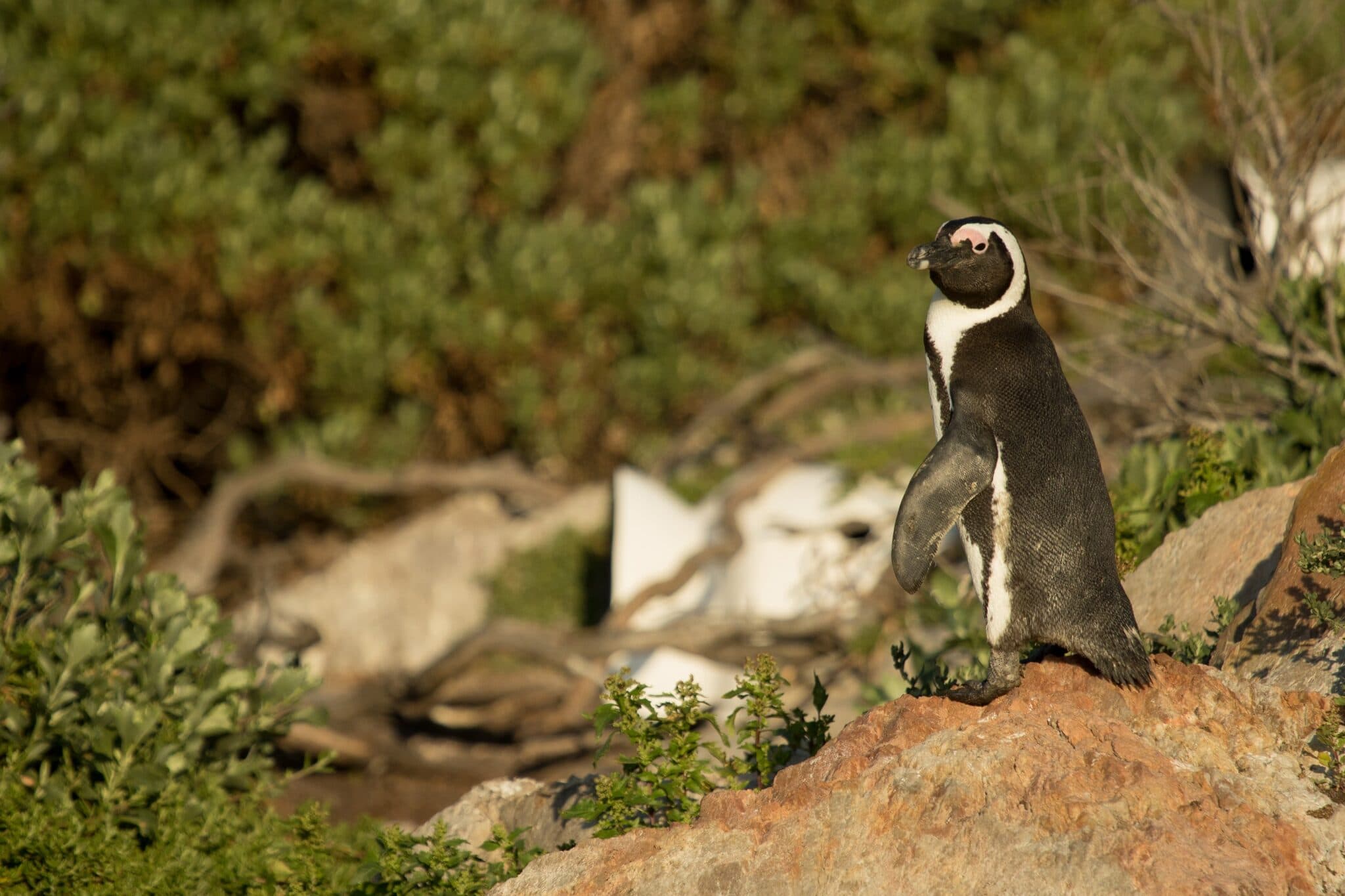
It’s no joke! Penguins are a highly threatened group of birds. On World Penguin Day, we’re celebrating the incredible (and shocking) feats of the world’s best avian swimmers, sharing the work of BirdLife Partners working to protect penguins around the world, and giving you a chance to walk among a penguin colony.