Protecting the most important habitats for birds
BirdLife protects birds by protecting the places they live and travel through. For almost 50 years, the BirdLife Partnership has worked together to identify and protect the places of greatest significance for the conservation of the world’s birds and the wildlife they need to thrive. We call them Important Bird and Biodiversity Areas (IBAs).
To date, the BirdLife Partnership has identified and documented more than 13,000 of these sites in over 200 countries and territories worldwide, as well out to sea.
Because birds and other wildlife are not evenly distributed across the landscape, IBAs cover about 7% of the terrestrial and 2% of the global sea area. This network of sites is vital to the long-term viability of bird populations, and is also important for other forms of wildlife. The conservation of IBAs therefore ensures the survival of many other animals and plants.
We constantly strive to link IBAs into an integrated chain of sites to support those birds who travel through them on their yearly migrations. IBAs provide safe habitats to rest and feed on these extraordinary journeys.
IBAs may be considered the minimum essential to ensure the survival of many of these species across their ranges and throughout their life cycles. Because some places are much richer in biodiversity than others, conserving a relatively modest network of sites is a cost-effective and efficient way of ensuring the survival of a large number of species.
We engage in a diverse range of activities to protect IBAs, including monitoring, research, management, restoration, public awareness, and the safeguarding and promotion of sustainable economic alternatives.
A key element of our work involves the links between site conservation and local livelihoods.

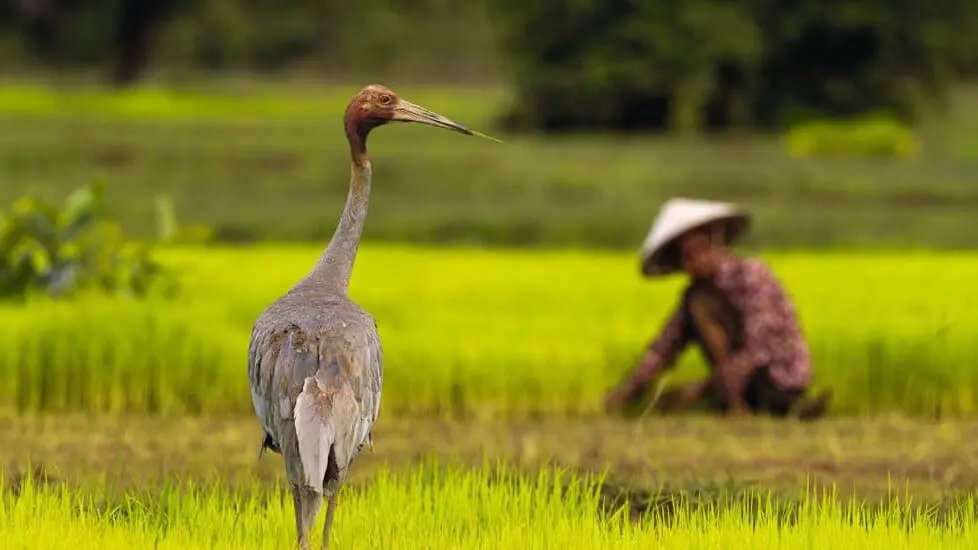
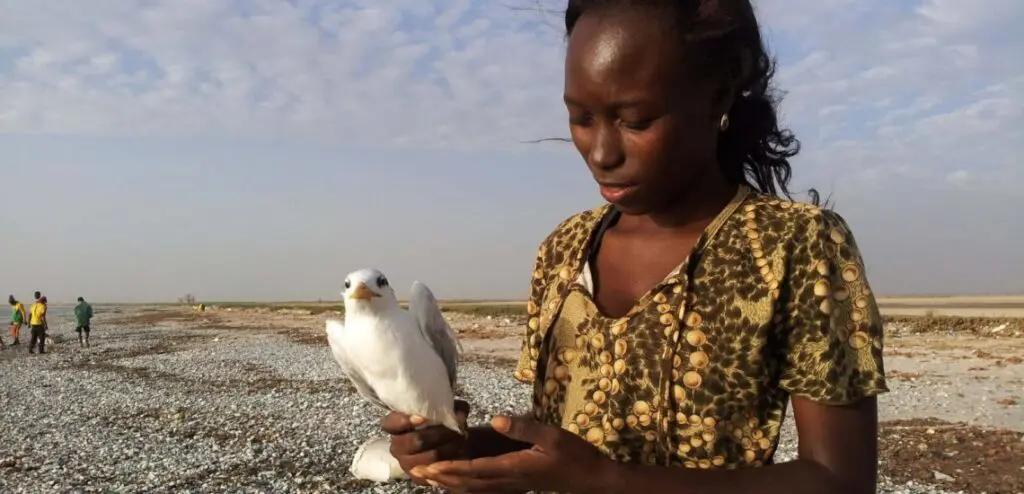
While IBAs are key to the conservation of species and habitats, the natural services and products they provide often contribute to the livelihoods and wellbeing of local people. In turn, the traditional land management practices of communities that use IBAs may help maintain the habitats needed for wildlife conservation.
Community engagement is vital. Over 4,000 local conservation groups across the world are currently involved in protecting the IBAs they live in and around. The participation of local communities benefits birds, biodiversity and the people who depend on or enjoy visiting them. And since natural habitats absorb carbon, filter water, prevent erosion and perform countless other services, the benefits of protecting IBAs spread far further than the local area.
Key Biodiversity Areas

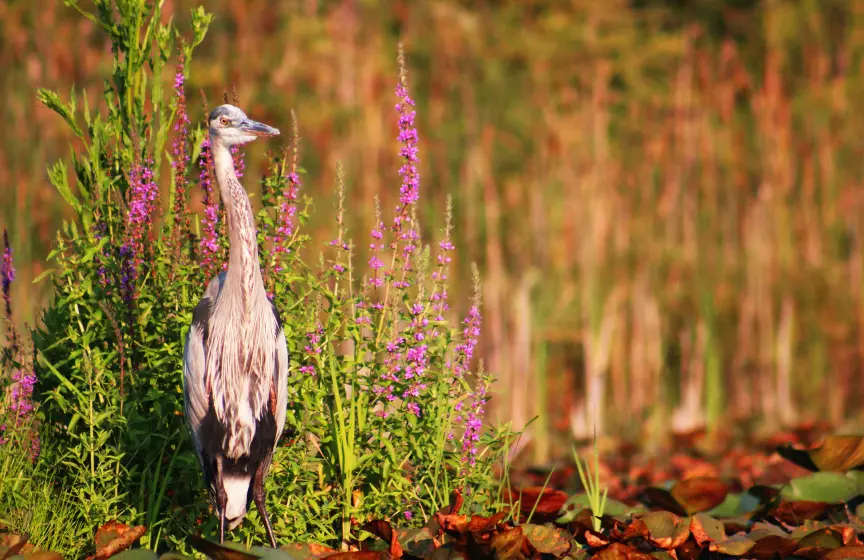
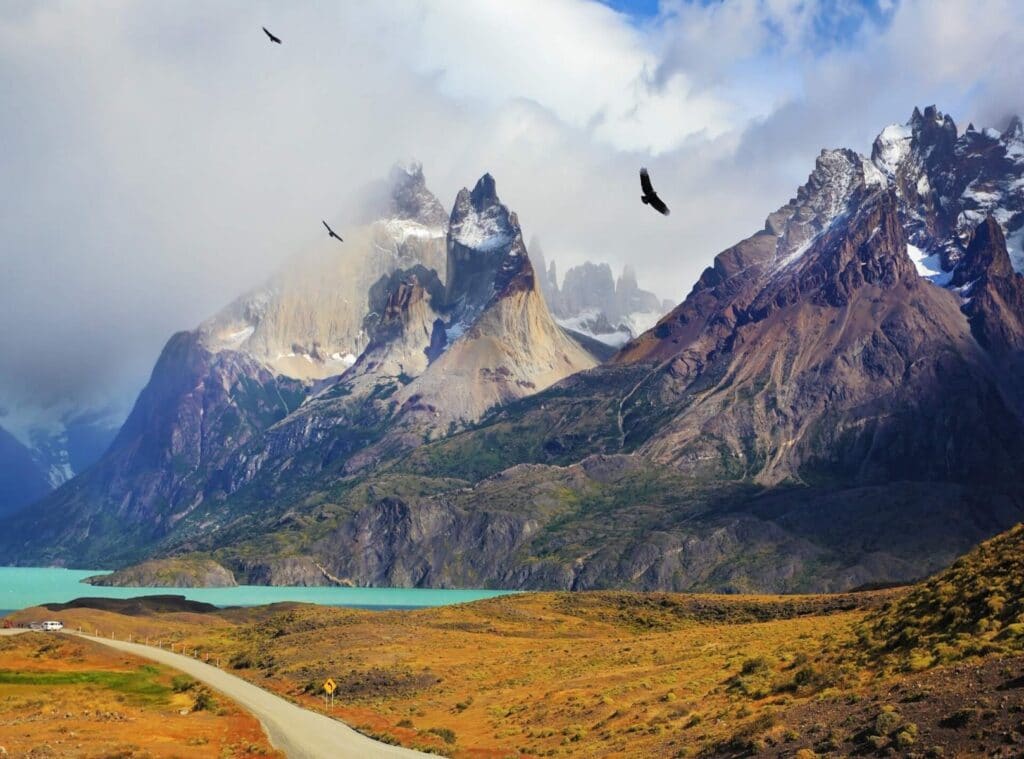
Building on the IBA criteria, BirdLife helped the International Union for Conservation of Nature (IUCN) to develop a complementary and additional set of sites: the Key Biodiversity Areas (KBAs). These sites contribute significantly to the survival of global biodiversity and are the world’s most important sites for nature in terrestrial, freshwater and marine environments. All existing IBAs qualify as KBAs.
The Key Biodiversity Area (KBA) Partnership now numbers 13 global conservation organisations, including BirdLife and the IUCN, representing hundreds of national conservation bodies. BirdLife International and IUCN co-host the KBA Secretariat, and BirdLife manages the World Database of Key Biodiversity Areas on behalf of the KBA Partnership.
“KBAs go beyond birds: these are well-defined sites that are exceptionally important for maintaining the species and ecosystems that make up the rich tapestry of life on Earth.”
Zoltan Waliczky, global iba policy coordinator
Find out more about the KBA Partnership
Related news